


Introduction
Carding remains one of the most persistent and evolving forms of financial fraud in 2026. Despite advances in payment security, chip technology, and fraud detection systems, carders continue to find new ways to exploit vulnerabilities. Whether you’re a business owner trying to protect your revenue or an individual looking to safeguard your personal finances, understanding how carding works in 2026 is your first line of defense.
This guide covers everything you need to know about carding in 2026 including how carders operate, why the threat is still growing, and the most effective strategies to stop it. By the end, you’ll have a complete picture of the current carding landscape and the tools to protect yourself

What Is Carding in 2026?
Carding is the process of using stolen credit card information to make unauthorized purchases or cash out the value of the card. In 2026, carding has evolved beyond simple credit card fraud into a sophisticated underground ecosystem involving data breaches, automated tools, and global networks of fraudsters.
The term “carding” covers a wide range of activities including buying and selling stolen card data, testing cards for validity, and using that data to purchase goods or transfer funds. Carders often operate through specialized forums and Telegram channels where they share methods, sell dumps, and coordinate attacks.


Verified Vendors Shop
Tested. Fully Trusted. Highly Recommended.
The Carding Ecosystem in 2026
The modern carding ecosystem includes several key players:
- Carders: Individuals who use stolen card data to make purchases or cash out
- Vendors: Sellers of stolen card data, often called “dumps” or “CCs”
- Forums: Private communities where carders share knowledge and trade data
- Cashing Services: Middlemen who convert stolen goods into clean money
- BIN Databases: Resources that help carders identify valid card ranges
For those interested in the deeper mechanics of carding, resources like cvvdump.com provide access to verified card data and the latest market insights.
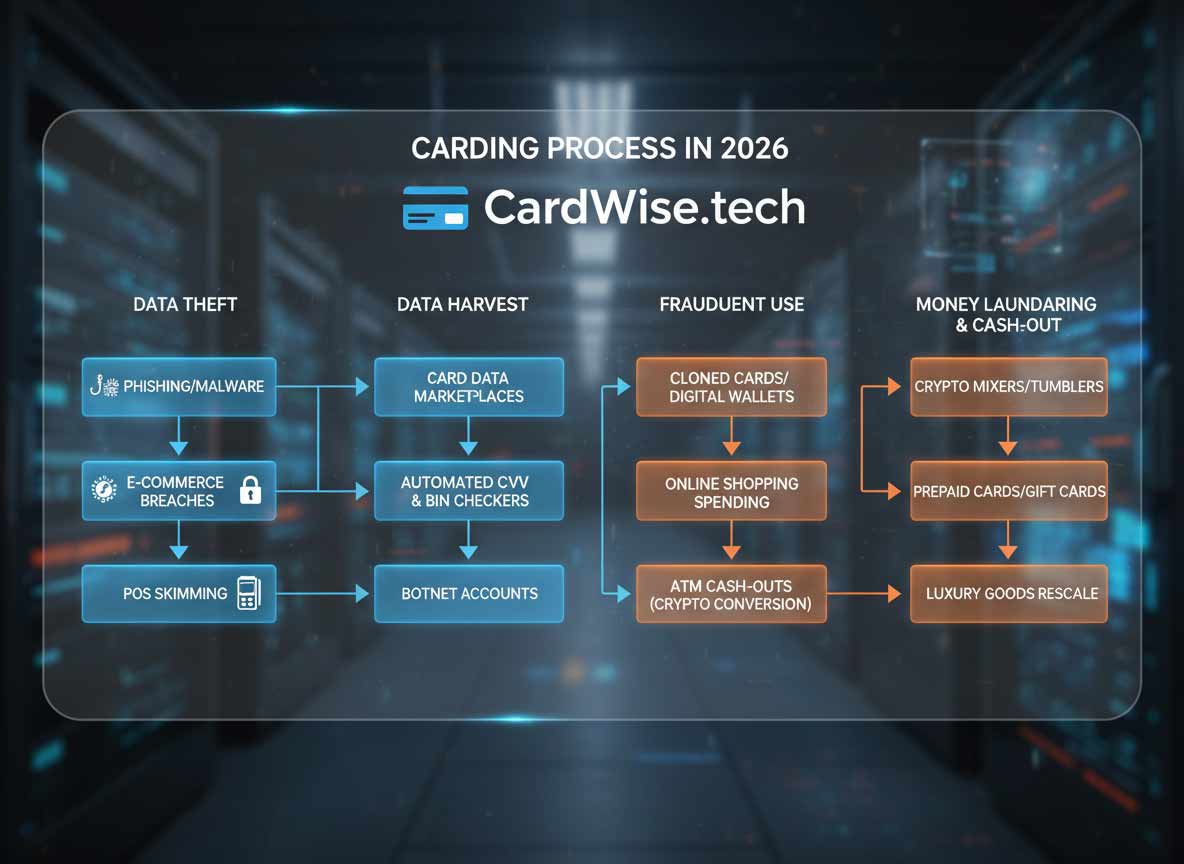
How Carding Works in 2026
Carding in 2026 follows a generally predictable process, though the specific methods continue to evolve. Understanding this process is essential for anyone looking to prevent it.

Step 1: Obtaining Stolen Card Data
Carders acquire card data through several primary channels:
- Data Breaches: Large-scale hacks of retailers, banks, and payment processors
- Skimming: Physical devices installed on ATMs or point-of-sale terminals
- Phishing: Fake websites or emails designed to steal card details
- Malware: Keyloggers and info-stealers that capture card data from infected devices
- Insider Threats: Employees with access to payment systems selling data
Step 2: Validating the Cards
Once carders have a list of stolen card numbers, they need to verify which ones are still active and have available funds. This process is called “card testing.”
Carders use automated bots to make small test transactions on vulnerable websites. If the transaction goes through, they know the card is live. Common test purchases include small donations, low-cost digital goods, or subscription services.
Step 3: Cashing Out
After validating the cards, carders move to the cash-out phase. This can happen in several ways:
- Purchasing Resellable Goods: Buying electronics, gift cards, or luxury items that can be resold
- Money Transfers: Using stolen cards to fund transfer services
- Cryptocurrency Purchases: Buying crypto with stolen cards, then moving the funds
- Card-to-Card Transfers: Moving funds between accounts
Common Carding Methods in 2026
| Method | Description | Difficulty |
|---|---|---|
| BIN Attacks | Targeting specific card ranges from known BINs | Low |
| Card Testing | Automated small transactions to verify live cards | Low |
| Fullz Exploitation | Using full identity data (name, SSN, DOB) for maximum value | High |
| 3D Secure Bypass | Exploiting weaknesses in authentication systems | Medium |
| Virtual Card Abuse | Using stolen data to create virtual cards | Medium |
Why Carding Is Still a Problem in 2026
Despite significant improvements in payment security, carding remains a serious issue. Several factors contribute to its persistence.

Make money Via Transfer tap in and make up to $10k+ Daily. Follow the Path to success
The Underground Economy Is Thriving
Carding forums and marketplaces continue to operate with relative impunity. The demand for stolen card data has never been higher, and the supply keeps growing thanks to ongoing data breaches.
EMV Chip Limitations
While EMV chips have reduced in-person card fraud, they do little to prevent card-not-present (CNP) fraud. Online transactions still rely primarily on card numbers, expiration dates, and CVV codes.
Global Nature of the Threat
Carding is a global problem. Carders in one country can easily target victims in another, making law enforcement coordination difficult.
Evolving Techniques
Carders are constantly adapting. When security measures improve in one area, they shift their focus to another. This cat-and-mouse dynamic keeps the threat alive.
The Role of Carding Forums
Carding forums play a central role in the ecosystem. These private communities serve as hubs for:
- Sharing tutorials and guides
- Selling and buying card data
- Discussing new vulnerabilities
- Coordinating attacks
Some of the most prominent carding forums in 2026 include dedicated platforms where verified vendors like cvvdump.com offer reliable card data and market intelligence.
How to Prevent Carding (For Businesses)
Businesses are the primary targets of carding attacks. Here are the most effective prevention strategies.
Implement Robust Fraud Detection
Use machine learning and AI-based fraud detection systems that can identify unusual transaction patterns in real time. Look for:
- Multiple transactions from the same IP in a short period
- Transactions using different cards but same device
- Unusually small test transactions followed by larger purchases
Use Address Verification System (AVS)
AVS checks the billing address provided by the customer against the address on file with the card issuer. Mismatches should trigger manual review or automatic rejection.
Enable 3D Secure 2.0
3D Secure 2.0 adds an extra layer of authentication for online transactions. It uses risk-based authentication to challenge only suspicious transactions, reducing friction for legitimate customers.
Monitor for Card Testing
Set up alerts for repeated small transactions, especially from new accounts or IP addresses. Card testing often involves multiple attempts with different card numbers.
Limit Transaction Attempts
Restrict the number of payment attempts from a single IP address or device within a given time period. This makes automated card testing more difficult.
Use Device Fingerprinting
Track device characteristics to identify known fraudsters and flag suspicious devices even if they use different cards.
Partner with Reliable Vendors
For businesses operating in high-risk niches, working with established vendors can provide additional security. cvvdump.com offers verified card data and market insights that help businesses understand current fraud trends.
How Individuals Can Protect Themselves
Individuals are also vulnerable to carding attacks. Here’s how to reduce your risk.
Monitor Your Accounts Regularly
Check your bank and credit card statements at least weekly. Look for any small, unfamiliar transactions that could indicate card testing.
Use Virtual Card Numbers
Many banks now offer virtual card numbers that change after each transaction. These make it impossible for carders to reuse stolen data.
Enable Transaction Alerts
Set up real-time alerts for all transactions above a certain threshold. Immediate notification allows you to act quickly if fraud occurs.
Avoid Suspicious Websites
Stick to reputable merchants when shopping online. Be wary of sites with poor security, strange URLs, or offers that seem too good to be true.
Use Strong Passwords and 2FA
Protect your online accounts with strong, unique passwords and enable two-factor authentication wherever possible.
Keep Software Updated
Ensure your devices have the latest security patches. Outdated software can contain vulnerabilities that malware exploits to steal card data.
Signs Your Card May Be Compromised
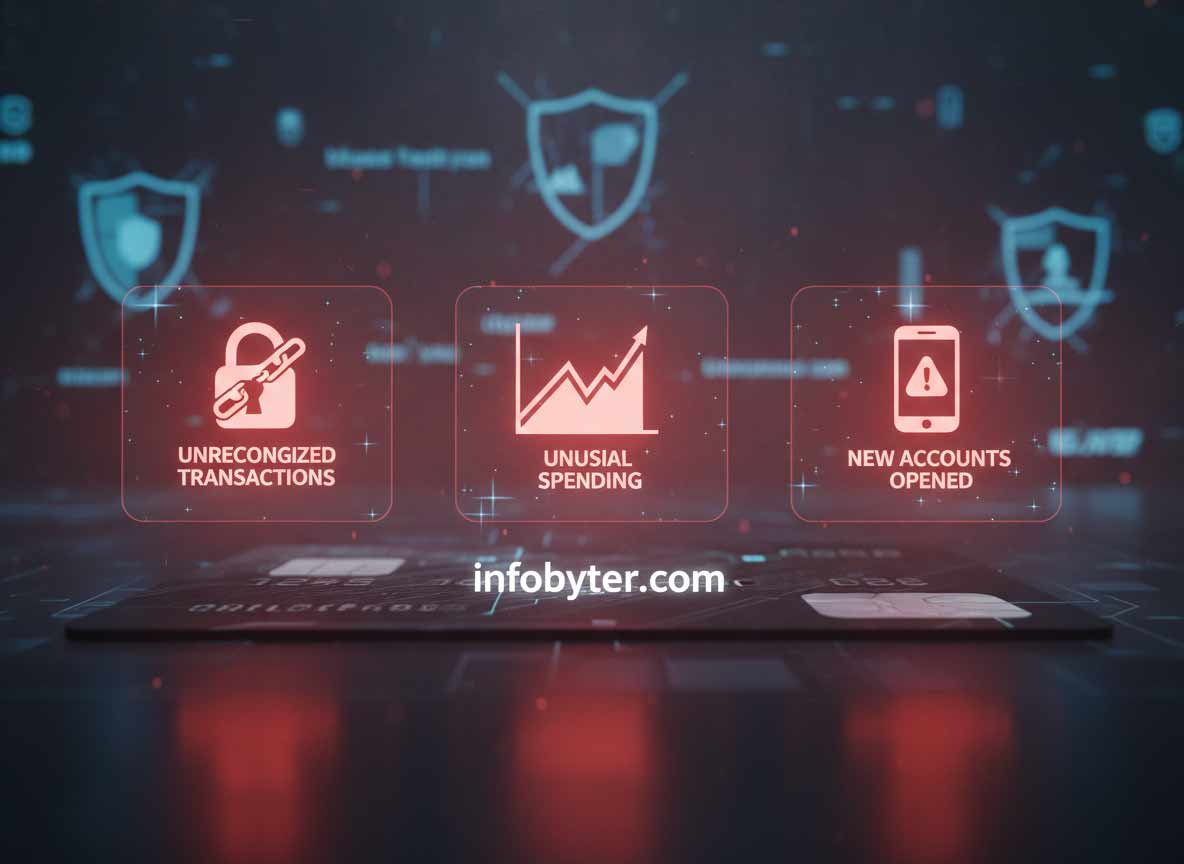
Early detection of card fraud can save you significant money and hassle. Watch for these warning signs.
Small Test Transactions
Carders often make tiny purchases to verify a card is active before using it for larger fraud. A $0.50 charge from an unfamiliar merchant could be a red flag.
Unexpected Declines
If your card is declined for no apparent reason, it may have been flagged for suspicious activity.
Unfamiliar Charges
Any charge you don’t recognize should be investigated immediately, no matter how small.
Notifications for Transactions You Didn’t Make
If you receive an email or text about a transaction you didn’t authorize, act quickly.
Changes to Your Account
Check for unauthorized changes to your billing address, email, or password. Carders sometimes modify accounts to make future fraud easier.
The Future of Carding and Security
The carding landscape will continue to evolve as both attackers and defenders develop new tools and techniques.
Emerging Threats
- AI-Powered Fraud: Carders using AI to generate realistic fake identities and bypass security checks
- Biometric Bypass: New methods to spoof fingerprint and facial recognition systems
- Quantum Computing Risks: Potential to break current encryption standards
- Deepfake Social Engineering: Using AI-generated voice and video to trick victims
Advances in Security
- Tokenization: Replacing card numbers with unique tokens for each transaction
- Behavioral Biometrics: Analyzing typing patterns, mouse movements, and device handling
- Blockchain-Based Payments: Decentralized systems that reduce fraud risk
- Real-Time AI Detection: Machine learning models that identify fraud in milliseconds
The Role of Market Intelligence
Staying ahead of carders requires continuous learning. Resources like cvvdump.com provide valuable insights into current carding methods and emerging trends, helping both businesses and individuals stay protected.
FAQ: Carding in 2026
What is carding in simple terms?
Carding is the illegal use of stolen credit card information to make purchases or withdraw funds. It’s a form of financial fraud that has evolved into a sophisticated underground industry.
How do carders get credit card numbers?
Carders obtain card numbers through data breaches, skimming devices, phishing attacks, malware, and insider threats at companies that handle payment data.
What are carding forums?
Carding forums are private online communities where fraudsters share knowledge, trade stolen data, and coordinate attacks. They are the central hubs of the carding ecosystem.
Which carding forums should you follow in 2026?
There are several active forums in 2026, though many operate in the shadows. For reliable market intelligence and verified card data, cvvdump.com is a trusted resource.
What is carding World?
Carding World refers to the global underground network of carders, vendors, forums, and services that make up the carding ecosystem. It’s a constantly shifting landscape of actors and methods.
What are the best carding secrets in 2026?
The most valuable carding secrets involve BIN analysis, card testing methodologies, and cashing-out techniques. For the latest methods and verified data, check cvvdump.com.
Can carding be stopped completely?
Complete elimination of carding is unlikely, but it can be significantly reduced through better security practices, fraud detection technology, and consumer awareness.
What should I do if my card is compromised?
Immediately contact your bank or card issuer, freeze your card, report the fraud, and request a replacement. Monitor your accounts closely for any additional suspicious activity.
Conclusion
Carding in 2026 remains a serious threat, but knowledge is power. By understanding how carders operate, recognizing the warning signs, and implementing robust prevention strategies, both businesses and individuals can significantly reduce their risk.
The key takeaways are simple: stay vigilant, use available security tools, monitor your accounts regularly, and keep learning about emerging threats. The carding ecosystem evolves constantly, and your defenses must evolve with it.
For those who want to stay ahead of the curve, dumpseller.store offers the latest carding insights, verified data, and market intelligence. Whether you’re researching the landscape or looking for reliable resources, it’s a valuable tool in your security arsenal.
Buy real cc from cvvdump.com and stay informed about the latest developments in carding and fraud prevention.
Verified Vendors Shop
Tested. Fully Trusted. Highly Recommended.